


The Future Of Russian Agriculture: Trends Shaping 2026 And Beyond
As one of the few industries to actually grow during the recent economic crisis, agriculture and crop farming in Russia is exceptionally resilient. Production output is incredibly high, and getting higher, so the future looks bright for Russia’s farmers
Russian agriculture has remained one of the country's more resilient sectors, with production capacity continuing to expand even as the wider economy faces pressure.
YugAgro looks at how the industry is developing and what that means for the technologies and equipment farmers will need in the years ahead.
Exports Remain A Central Growth Driver
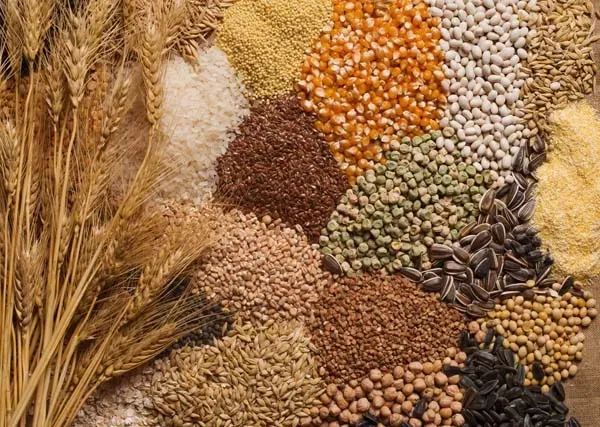
Russia's agricultural export ambitions remain significant. In 2025, agricultural exports totalled $40.9 billion, a slight dip from $42.6 billion in 2024, largely attributed to lower global prices. However, the picture has been improving: in the first quarter of 2026, export revenue ran nearly a quarter higher than the same period the previous year, with Russia returning to being a net exporter of agricultural products.
Grain remains central to this picture. Following a 2025 harvest of 137 million tonnes, grain exports for the 2025-2026 agricultural season are forecast at 53 to 55 million tonnes, broadly in line with the five-year average, with some analysts projecting figures closer to 58-60 million tonnes depending on global price conditions.
The government's ambitions extend well beyond grain. President Vladimir Putin has set a target of increasing agricultural exports 1.5 times by 2030 compared with 2021 levels, which would put the figure above $55 billion.
Deputy Prime Minister Dmitry Patrushev has also pointed to newer growth areas, noting that exports of seeds and genetic and breeding material grew 40% year-on-year, a category that barely existed as an export line in the past.
Russian Produce Continues To Find New Markets
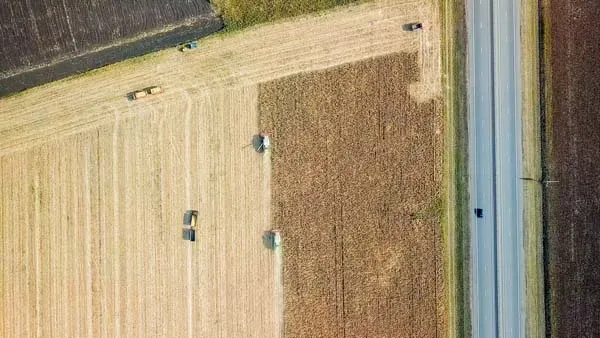
Russian crops and produce continue to reach new destinations, building on trade relationships established in recent years across Asia, the Middle East, and North Africa. Grain, oilseeds, and fertilisers remain among the country's leading agricultural exports, alongside a growing share of fish, seafood, meat, and dairy products, categories which posted notable growth in 2025.
This diversification also matters for suppliers of agricultural inputs and equipment, as expanding export categories bring new demands for post-harvest handling, processing, and quality-control technologies suited to a wider range of products.
Storage And Processing Capacity Remains A Growth Area
Adequate storage and processing capacity remains a recognised priority for Russian agriculture, particularly as harvest volumes stay high and export ambitions grow.
Investment in storage infrastructure, particularly for grain, fruit, and vegetables, remains an area where suppliers of warehousing, stockpiling, and processing equipment can play a meaningful role, supporting both domestic supply stability and the logistics behind Russia's export targets.

Machinery Renewal And Digitalisation Are Reshaping The Sector
Perhaps the clearest growth signal for equipment suppliers is the state of Russia's machinery fleet. The agricultural sector currently lacks an estimated 60,000-65,000 tractors and 34,000 combine harvesters, according to Ministry of Agriculture figures, and fleet renewal is running at roughly 3.5-7% a year, well below the 10% renewal rate considered healthy for the sector.
Domestic manufacturers currently account for around 57% of the market, with equipment from Belarus, China, and other partner countries expanding their presence alongside them.
For Russia's agricultural machinery and crop harvesting equipment, the country represents an import market worth an estimated $1.2 billion, underscoring the scale of opportunity for international suppliers that can meet local demand.
Alongside the hardware gap, digitalisation and automation are becoming a defining trend in their own right. By 2025, close to 40% of Russian agricultural businesses had incorporated digital technologies into their operations, including robotics, AI-driven analytics, GPS-guided equipment, and precision farming systems.
Satellite-based field monitoring, soil sensors, and variable-rate application technology are increasingly common tools for optimising input use, from seeds to fertiliser to irrigation, and are expected to keep gaining ground as farms look to raise yields without proportionally increasing costs.

Fuel A Brighter Future For Russian Agriculture At YugAgro 2026
With machinery renewal, digitalisation, storage capacity, and export growth shaping the sector's direction, foreign and domestic suppliers alike have a meaningful role in equipping Russian agriculture for the years ahead.
YugAgro, the country's largest international agricultural machinery exhibition, remains the biggest trade platform for Russian crop farming.
It brings together companies from across agricultural machinery and spare parts, agrochemicals and seeds, storage and processing equipment, and irrigation and greenhouse technology, the same categories driving many of the trends shaping the sector today.
The most recent edition, YugAgro 2025, welcomed over 650 exhibitors from 14 countries and 19,700 visitors from 77 regions and 40 countries, drawn from grain companies, agroholdings, and private farms across the country.
YugAgro 2026 takes place from 17-20 November at Expograd Yug, Krasnodar, positioning machinery, seed, irrigation, and equipment suppliers at the centre of Russia's chief agrarian province and its evolving farming sector.
