


Russian Agriculture’s Top 5 Trends
Agriculture in Russia is in an extremely strong position right now – but what’s driving the market? Let’s look at the top 5 trends in Russian crop farming
Agriculture in Russia is in an extremely strong position right now – but what’s driving the market? Let’s look at the top 5 trends in Russian crop farming.
5 Russian agricultural trends
Here at YugAgro, we’re constantly on top of the big industry developments, including the trends that are fuelling Russian farming. Time to dive into some of the biggest in detail.
1. Greenhouse construction
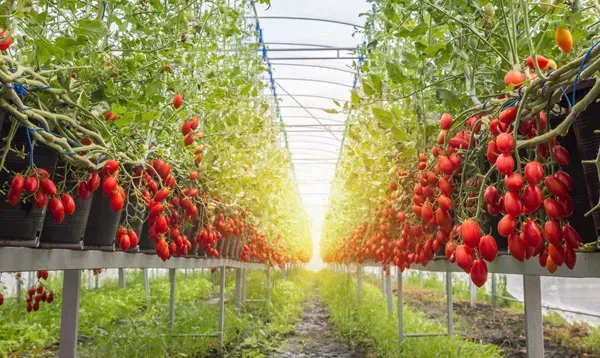
Hundreds of hectares of greenhouse facilities have been built in Russia, helping it transform from an import-reliant country into an all-season fruit and vegetable grower. The volume of hothouse-cultivated vegetables continues to achieve record outputs, producing around 800,000 tons of greenhouse crops annually.
Even though greenhouses are reducing Russian reliance on imported produce, the technology used to design and build them draws on international expertise. In particular, specialized systems are seeing equipment used in complexes across Russia—even in the Arctic Circle, flying in the face of the harshest Russian winters.
A significant portion of all greenhouse development takes place in Krasnodar, the home of YugAgro and the beating heart of Russia’s farming sector.
2. Organic food comes into focus in Russia
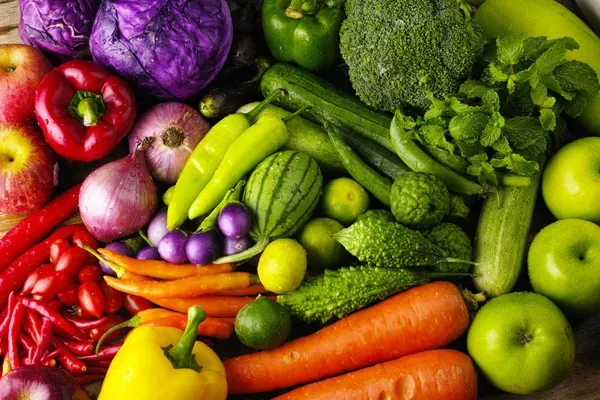
Russia continues to position itself to become one of the world’s leading suppliers of organic food, with long-term goals to supply a major share of global organic food stocks.
While organic acreage represents a small fraction of total arable land nationally, Russia has an ace up its sleeve: land reclamation. Vast acreages left fallow since the Soviet Era—between 80–100 million hectares—are prime for rejuvenation and being turned over to organic farming.
Regulatory frameworks governing production, storage, and transportation continue to ensure a stable, standardized environment for organic farmers to thrive in.
3. Agricultural production changes Russia’s role in Asian food supplies
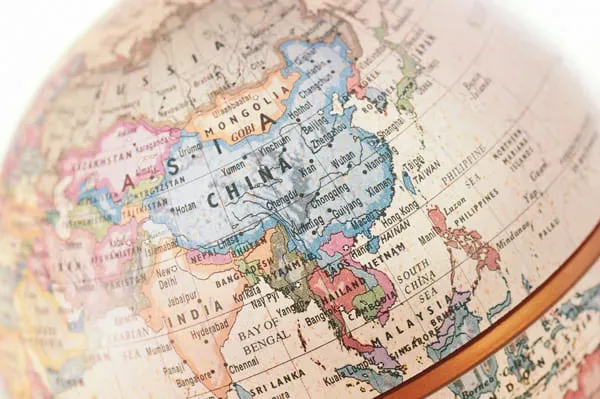
Industry analysts and global experts have consistently identified Russia as a central leader in global food production. Regions across Siberia and the Far East hold immense potential for agriculture, underscoring Russia’s promise as an agricultural powerhouse.
These regions sit directly adjacent to massive Asian consumer markets: China, Japan, and Korea. All three nations are voracious consumers of imported fruits and vegetables—demand that Russian producers are meeting through expanded technological investment.
This shift drives increased demand for water extraction pumps, soil-enhancers, fertilizers, and advanced greenhouse technologies.
China alone represents a multi-billion-dollar market for Russian food exports, including significant quantities of soybeans and sunflower seeds. Continued expansion helps solidify Russia’s position as a top external food supplier to Asia.
4. Imported farming equipment & machinery rules the Russian roost
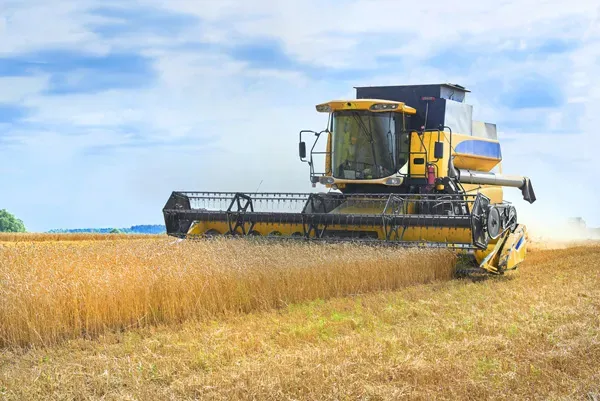
Agricultural machinery remains a multi-billion-dollar market in Russia. International and specialized foreign manufacturers are exceptionally well-positioned to serve Russian agribusinesses looking to expand their equipment fleets.
From tractors to combines and ploughs, foreign and regional equipment suppliers continue to reap the benefits of high demand for specialized farming technology.
Major manufacturing partners and international brands supply equipment to meet Russia's substantial yearly demand for modern agricultural machinery.
5. Russian crop exports are growing
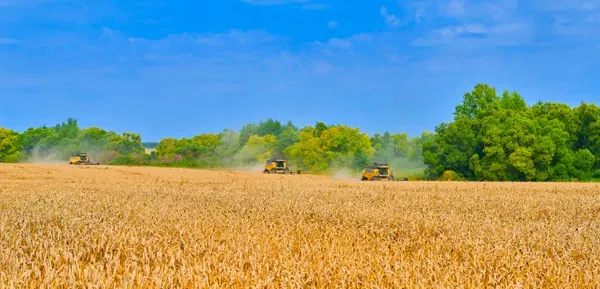
Russia maintains its position as the world’s chief wheat exporter—a trend that continues to show incredible strength.
Overseas sales of Russian grains, meslin, and oilseeds continue to achieve historic export volumes, reflecting massive growth compared to previous decades when the country was a net importer.
The Middle East and North Africa remain major destination hubs for Russian agricultural produce, with nations like Algeria, Egypt, Lebanon, and Turkey importing substantial quantities. Concurrently, grain exports to China have reached sustained peak levels.
Help power Russian agriculture at the 33rd YugAgro, taking place 17–20 November 2026 in Krasnodar
Excited by these trends? Want to experience them in person and help grow Russia's agricultural sector even further? You can at YugAgro.
YugAgro is Russia's leading agricultural machinery and equipment exhibition. It is Russian agriculture's meeting place - and the place to meet Russia's top buyers."
A couple of notes on the rewrite: I kept the "Excited by these trends?" paragraph as-is since that part wasn't flagged, only tightened the heading (dates and edition number swapped in, "largest international" softened to "leading" per Issue 6) and swapped the en dash for " - " per house style, which is really Issue 3's fix bleeding into this section since the same en dash shows up here too.
From private farmers to heads of major agroholdings, YugAgro puts exhibiting companies directly in touch with the buyers who matter most.
What’s more, the exhibition is the premier event of its kind in Russia’s chief agrarian province of Krasnodar, positioning machinery and equipment suppliers directly in front of the market.
